Quick answer
For a mild ankle sprain, rest, apply ice wrapped in a cloth, use light compression and keep the foot raised for the first day or two. You may need an X-ray if you cannot put weight on the foot, the bone is tender, the ankle looks deformed or the pain is getting worse.
In this guide
- What happens when you twist an ankle?
- What should you do in the first 24 to 48 hours?
- When might an X-ray be needed?
- How long does an ankle sprain take to heal?
- Common mistakes that can slow recovery
- When is an ankle injury an emergency?
- Can a doctor visit your home after an ankle injury?
- Planning care in your area
- Frequently asked questions
A misstep on stairs, a run along the waterfront or a sudden change of direction during sport can leave an ankle painful and swollen. Many ankle injuries are sprains, but a fracture or another injury can feel similar at first. Being able to walk does not always rule out a break. This guide explains what to do immediately after a twisted ankle, which signs need medical assessment, how recovery usually works and when imaging may be considered. It is not a substitute for an examination, especially after a significant fall or when weight-bearing is difficult.
What happens when you twist an ankle?
An ankle sprain occurs when the ligaments that support the joint are stretched or torn. It often happens when the foot rolls inward or outward unexpectedly. Pain, swelling, bruising and tenderness may develop around the ankle. A mild sprain may allow walking with discomfort, while a more severe injury can make standing difficult. A fracture, tendon injury or dislocation can produce similar symptoms, so the appearance of swelling alone cannot confirm the diagnosis.
The mechanism matters. A simple twist while walking is different from a fall from height, a road accident or a heavy object landing on the foot. Tell the clinician exactly how the injury happened and whether you heard a crack or felt the joint give way. If the foot looks deformed, is numb, pale, blue or unusually cold, seek urgent care. Do not try to straighten a visibly deformed joint yourself.
What should you do in the first 24 to 48 hours?
Stop the activity and protect the ankle from another twist. If walking is painful, reduce weight-bearing and use support if available. Elevating the leg when resting may help swelling. A wrapped cold pack can be applied for short periods to reduce discomfort; place cloth between the cold source and skin and stop if the skin becomes numb or painful. Avoid applying ice directly to the skin. Gentle compression may help, but a bandage should not cause tingling, colour change or increased pain.
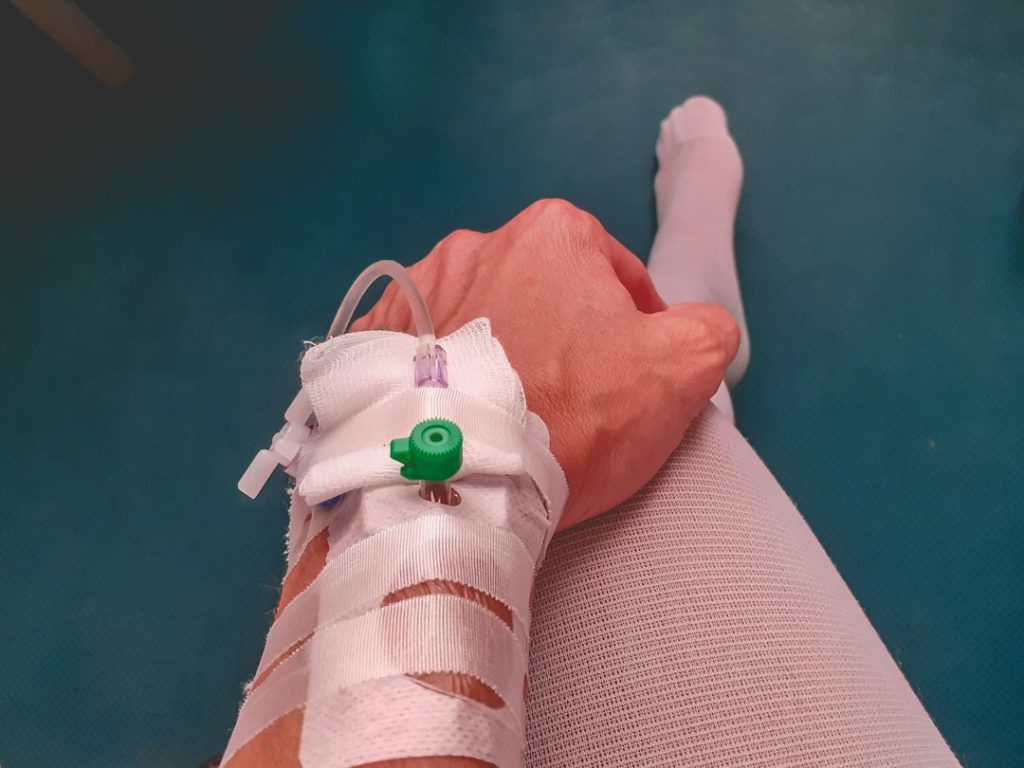
Avoid forcing the ankle through painful movements or returning to sport because swelling has temporarily reduced. In the early phase, avoid aggressive massage and intense heat if these make swelling worse. If you have poor circulation, reduced sensation, diabetes or fragile skin, ask a clinician before using compression or cold therapy. A child, older adult or person taking blood thinners may need individual advice after an injury.
When might an X-ray be needed?
A clinician may consider an X-ray when there is tenderness over specific ankle or foot bones, inability to take several steps after the injury, significant trauma or other findings that raise concern for fracture. Clinical decision rules such as the Ottawa Ankle Rules can help trained clinicians decide when imaging is appropriate. They are not a self-test and should not be used to rule out injury without an examination.
If the ankle is very painful, visibly deformed, unstable or impossible to bear weight on, seek prompt assessment. An X-ray may be needed to check for a fracture, and some injuries require further imaging or specialist review. A home visit cannot provide an X-ray at your door. If imaging is indicated, the clinician may advise you to attend a facility that can perform it.
How long does an ankle sprain take to heal?
Recovery depends on the severity of ligament injury, previous ankle problems, general health and whether the joint is protected and rehabilitated appropriately. Mild sprains may improve over a few weeks, while more significant injuries can take longer. Swelling may remain after pain begins to settle. Do not use a fixed number of days as proof that the ankle is ready for running, football or gym training.
As pain allows, a clinician or physiotherapist may recommend gentle range-of-motion exercises, followed by strengthening and balance work. Rehabilitation matters because an ankle that remains weak or unstable can be injured again. Return to sport should be gradual. You should be able to walk briskly, balance and complete sport-specific movements without significant pain or instability before returning fully.
Common mistakes that can slow recovery
Continuing to play or walk long distances on a painful ankle can worsen an injury. Wrapping the ankle too tightly can affect circulation. Taking pain medicine to hide symptoms and then returning to sport is risky. Another common mistake is assuming that bruising means a sprain rather than a fracture; bruising can occur with both. If symptoms are not improving as expected, arrange reassessment rather than repeatedly applying home remedies.
Do not put a hot compress directly on swollen or numb skin. Avoid using a tight elastic bandage overnight unless a clinician has specifically advised how to do so. If the toes become cold, pale, blue, numb or increasingly painful after wrapping, loosen the bandage and seek medical advice. A clinician should review worsening swelling, new calf pain or symptoms that do not fit the original injury.
When is an ankle injury an emergency?
Seek urgent care for a visibly deformed ankle, open wound over a suspected fracture, severe pain, loss of sensation, a cold or discoloured foot, or inability to move the toes. A serious fall or road accident also needs prompt assessment. If there is severe calf swelling or breathlessness after a period of immobility, seek emergency care. Do not wait for a routine home visit when the foot may have lost circulation or the joint is dislocated.
If you hear a pop and cannot bear weight, or if swelling and pain are severe, arrange prompt in-person assessment even if there is no obvious deformity. People with diabetes, neuropathy, poor circulation or osteoporosis should seek advice early because injury signs and healing risks can differ. Children with ankle injuries need age-appropriate assessment; growth-plate injuries can be missed if symptoms are assumed to be a simple sprain.
Can a doctor visit your home after an ankle injury?
A home consultation may help assess a stable injury, review symptoms and advise on whether further examination or imaging is needed. It cannot replace an X-ray, reduction of a dislocation or emergency treatment. Before arranging a visit, explain whether you can stand, whether the ankle looks deformed, whether there is numbness and how the injury occurred. A doctor at home in Dubai may be an option for suitable non-emergency cases, subject to clinical assessment and location availability.
If you are in a hotel after a walking tour or sports activity, you can ask about a doctor at hotel in Dubai. The clinician may advise whether a home or hotel assessment is reasonable or whether you should go directly to an imaging centre or emergency department. Visitors can also read our guide to medical help while staying in a Dubai hotel for practical booking details.
Planning care in your area
When you contact the service, share the exact location, patient age, how the injury happened, whether the person can take steps and whether there is deformity, numbness or an open wound. Keep any medicines and allergy information ready. If the person cannot safely get into a car, explain this clearly. Do not attempt to move someone with a suspected major fracture or spinal injury unless there is an immediate danger where they are.
The site lists communities on its doctor visits across various areas of Dubai page. Location information is available for Palm Jumeirah, Dubai Hills Estate, Arabian Ranches and the Hessa Street corridor. These pages are not a promise of immediate coverage; call the team to confirm availability and whether the injury needs a facility-based assessment.
Frequently asked questions
Can I walk on a sprained ankle?
It depends on the injury. Do not force weight-bearing if it is very painful; inability to take steps is a reason for clinical assessment.
How do I know if my ankle is broken?
You cannot reliably distinguish a fracture from a sprain at home. An examination and sometimes an X-ray are needed.
Should I apply ice to a twisted ankle?
A wrapped cold pack for short periods may ease discomfort. Never apply ice directly to skin.
Can a home doctor arrange an ankle X-ray?
A home visit cannot take an X-ray at your door. If imaging is needed, you will be directed to a suitable facility.
When can I return to sport?
Return gradually when walking, balance and sport-specific movements are comfortable and a clinician or physiotherapist considers it safe.
Related health guides
For more practical information, explore these related Dubai health guides: Lower Back Pain in Dubai: Everyday Triggers, Safe Relief and When to Get Checked, Red Eye in Dubai: Allergy, Infection or Something More Serious?, Sneezing, Itchy Eyes or a Blocked Nose in Dubai? Allergy Triggers and When to Seek Help, Burning When You Urinate in Dubai: UTI Symptoms, Tests and When to Seek Care, Neck and Shoulder Pain in Dubai: Desk Habits, Muscle Strain and Warning Signs, Arrived in Dubai but Cannot Sleep? Jet Lag, Travel Fatigue and When to Seek Medical Advice. Each article covers a different concern and should be used for general information only, not as a substitute for individual medical advice.
Medical disclaimer
This article is for general educational purposes and does not provide a diagnosis or individual treatment plan. A clinician must assess your symptoms and medical history. If you experience severe or potentially life-threatening symptoms, contact UAE emergency services immediately rather than waiting for a routine home or hotel visit.
Doctor on call in Dubai
Need a doctor at home or in your hotel?
Call or WhatsApp and a DHA-licensed doctor comes to you, 24/7. Usually within 30–45 minutes.
Who wrote and reviewed this guide
You can verify both licences on the DHA Sheryan register. This guide is general information and does not replace a consultation. In an emergency, call 998.