Quick answer
Dust, sand and dusty air-conditioning are common allergy triggers in Dubai, causing sneezing, a blocked nose and itchy eyes. Clean AC filters, keep windows closed on dusty days and ask a doctor about suitable antihistamines. Call 998 for swelling of the lips or tongue, or difficulty breathing.
In this guide
Repeated sneezing, an itchy nose, watery eyes or a blocked nose can make work, sleep and outdoor plans difficult. In Dubai, symptoms may be linked to dust, indoor allergens, air conditioning, pets, fragrances or seasonal changes, but the trigger is not always obvious. Allergy symptoms can also resemble a cold or sinus infection. This guide explains common patterns, practical ways to reduce exposure, what to discuss with a pharmacist or clinician and which symptoms require urgent help. It focuses on everyday allergic rhinitis and eye irritation, not severe allergic reactions.

How do allergies usually feel?
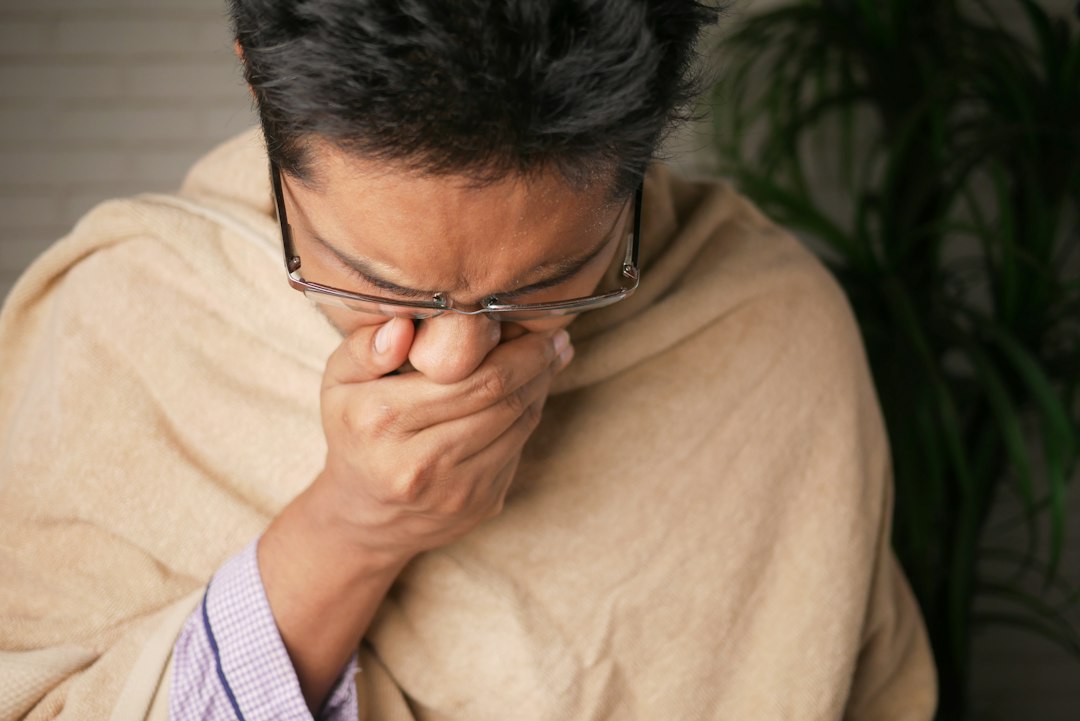
Allergic rhinitis commonly causes repeated sneezing, a runny or blocked nose, itching in the nose or throat and watery eyes. Symptoms may appear soon after exposure to a trigger and can recur in a familiar setting. Some people notice symptoms in the morning, after cleaning, around pets or when entering a dusty room. Allergy symptoms do not usually cause a high fever, although a person can have an allergy and an infection at the same time.
Itching is often a useful clue. A cold may cause sore throat, cough, fatigue and symptoms that change over several days, while allergies often repeat when the same trigger is present. These patterns are not definitive. If symptoms are persistent, one-sided, associated with facial pain or fever, or interfere with sleep and daily life, ask a clinician to assess the cause. For eye redness with pain or vision changes, read our separate guide to red eye and urgent eye warning signs.
Possible allergy triggers in Dubai
Outdoor dust, construction activity, pollen, mould, pet dander, dust mites, perfumes and cleaning sprays can trigger symptoms in sensitive people. Indoor air conditioning may contribute to dryness or circulate dust if filters and rooms are not maintained, but air conditioning itself is not an allergy diagnosis. A person may react to more than one trigger, and symptoms can vary between home, office, hotel and outdoor environments.
Try to notice where and when symptoms begin. Does the nose become blocked after changing bedsheets, entering a storage room, visiting a garden or spending time near a pet? Does the problem happen only in one building? A simple symptom diary can help identify patterns. Avoid making major changes based on guesswork; a clinician may recommend allergy testing when symptoms are persistent or the trigger is unclear. If you also have a skin reaction, our guide to skin rash causes in Dubai explains when an allergic rash needs assessment.
Practical ways to reduce exposure
Keep windows closed when outdoor dust is high, clean surfaces with a damp cloth and wash bedding regularly. If you are sensitive to dust mites, ask a clinician about practical bedroom measures. Avoid smoking and strong fragrances if they trigger symptoms. After outdoor exposure, washing your face and changing clothes may reduce irritants brought indoors. Do not use harsh cleaning chemicals or mix cleaning products; fumes can irritate the airways.
If you use air conditioning, follow the manufacturer’s guidance for filter cleaning and maintenance. Keep rooms ventilated safely and address visible dampness or mould rather than covering it with fragrance. A face covering may reduce exposure to dust for some outdoor tasks, but it is not a substitute for controlling a known trigger. If a workplace repeatedly causes symptoms, discuss practical adjustments with the employer and seek clinical advice if breathing symptoms occur.
Medicines: what to ask before using them
Antihistamines and nasal treatments can help some people, but the right option depends on age, pregnancy, other health conditions, other medicines and the type of symptoms. Some antihistamines cause drowsiness and can affect driving or operating machinery. Nasal sprays have different ingredients and instructions; some decongestant sprays can worsen congestion if used for longer than recommended. Ask a pharmacist or clinician to explain how to use a product safely.
Do not take several cold-and-allergy products together without checking their ingredients. Combination medicines may contain the same active ingredient, leading to accidental overuse. Children need age-appropriate products and dosing. If you are pregnant, breastfeeding, have glaucoma, high blood pressure or other chronic conditions, check before using an over-the-counter medicine. Antibiotics do not treat ordinary allergies, and steroid tablets should never be self-started for routine sneezing.
When allergy symptoms may be something else
Facial pressure, thick nasal discharge, fever or worsening symptoms after an initial improvement can occur with sinus or respiratory infections, although these signs do not prove a bacterial cause. Wheezing, breathlessness or a persistent cough may indicate asthma or another airway problem rather than simple nasal allergy. A sore throat can result from post-nasal drip, but severe pain or difficulty swallowing needs assessment. Our article on sore throat at night in Dubai covers when throat symptoms deserve medical attention.
Seek advice if symptoms are new and severe, keep returning, disturb sleep, affect work or do not improve with sensible measures. A clinician may review your environment, medication history, breathing, nose and throat and decide whether further assessment is needed. If symptoms are accompanied by fever or body aches, our guide to fever at night in Dubai may help you understand why a fever should not automatically be attributed to allergies.
Recognising a severe allergic reaction
A severe allergic reaction can develop quickly and may involve swelling of the tongue or throat, difficulty breathing, wheezing, faintness, collapse or widespread hives with other symptoms. This is an emergency. Call UAE emergency services immediately. If the person has been prescribed an adrenaline auto-injector, use it according to their emergency plan and do not delay calling for help. Do not wait to see whether an antihistamine works.
A mild itchy nose or watery eyes is very different from anaphylaxis, but symptoms can change. If a person develops swelling around the mouth or throat, breathing difficulty, confusion or collapse after food, medicine, an insect sting or another exposure, treat it as an emergency. A routine home or hotel consultation is not appropriate for a life-threatening reaction. Keep a record of the suspected trigger and tell emergency clinicians what happened.
Can a home doctor help with allergy symptoms?
A home consultation may be suitable for stable, non-emergency symptoms when a patient needs a medical review and cannot easily travel. The clinician can discuss the symptom pattern, check for signs that suggest infection or another problem and advise on next steps. If there is wheezing, severe breathlessness, throat swelling or collapse, seek emergency care instead. A home visit is not a replacement for emergency treatment or specialist allergy testing.
Residents can enquire about a doctor at home in Dubai, while visitors can ask about a hotel doctor consultation. Explain whether the main issue is sneezing, eye irritation, nasal blockage, rash or breathing difficulty. The service will need to confirm whether the symptoms are appropriate for a visit and whether your address is covered.
Local access and related health guides
Dubai has a wide range of residential communities, and service availability can vary by address. The doctor on various areas of Dubai page gives an overview of areas listed by the service. You can find individual location information for The Greens, Al Quoz, Emirates Hills and Downtown Dubai. Always confirm availability before relying on a visit.
If symptoms include a new rash, read the Dubai skin rash guide; if there is fever, review the fever assessment guide. If you are staying in a hotel, our tourist medical-help guide explains what to share with reception and the care team. For a non-emergency enquiry, use the contact page to ask about your location, consultation type and charges.
Frequently asked questions
Can Dubai dust cause allergy symptoms?
Dust can trigger symptoms in people who are sensitive to it, but a clinician may need to assess other possible causes.
How can I tell allergy from a cold?
Itching and repeated sneezing may suggest allergy, while fever and body aches may point to infection. Symptoms overlap, so this is not a reliable self-diagnosis.
Are antihistamines safe for everyone?
No. Age, pregnancy, other medicines and health conditions matter. Ask a pharmacist or clinician before use.
When is an allergic reaction an emergency?
Tongue or throat swelling, breathing difficulty, faintness or collapse requires emergency help immediately.
Can a doctor visit my hotel for allergy symptoms?
You can enquire about a hotel consultation for stable symptoms, subject to clinical suitability and confirmed location availability.
Related health guides
For more practical information, explore these related Dubai health guides: Lower Back Pain in Dubai: Everyday Triggers, Safe Relief and When to Get Checked, Red Eye in Dubai: Allergy, Infection or Something More Serious?, Twisted Your Ankle in Dubai? First Aid, Recovery Tips and When You Need an X-ray, Burning When You Urinate in Dubai: UTI Symptoms, Tests and When to Seek Care, Neck and Shoulder Pain in Dubai: Desk Habits, Muscle Strain and Warning Signs, Arrived in Dubai but Cannot Sleep? Jet Lag, Travel Fatigue and When to Seek Medical Advice. Each article covers a different concern and should be used for general information only, not as a substitute for individual medical advice.
Medical disclaimer
This article is for general educational purposes and does not provide a diagnosis or individual treatment plan. A clinician must assess your symptoms and medical history. If you experience severe or potentially life-threatening symptoms, contact UAE emergency services immediately rather than waiting for a routine home or hotel visit.
Doctor on call in Dubai
Need a doctor at home or in your hotel?
Call or WhatsApp and a DHA-licensed doctor comes to you, 24/7. Usually within 30–45 minutes.
Who wrote and reviewed this guide
You can verify both licences on the DHA Sheryan register. This guide is general information and does not replace a consultation. In an emergency, call 998.