Quick answer
Jet lag usually eases within a few days as your body clock adjusts. In Dubai, get daylight in the morning, drink water, keep naps short and avoid alcohol and late caffeine. See a doctor if you have chest pain, breathlessness, a swollen painful calf after the flight, high fever or confusion.
In this guide
- What is jet lag and why does it happen?
- Common symptoms after a long flight
- How to adjust to Dubai time
- Caffeine, meals and sleep aids
- Hotel room habits that support better sleep
- When travel fatigue may be an illness
- Can a doctor visit your Dubai hotel?
- Residents, business travellers and local coverage
- Frequently asked questions
Arriving in Dubai after a long flight can leave you tired at the wrong time, wide awake at night or struggling to concentrate during the day. This is often jet lag: a temporary mismatch between your internal body clock and the local time. Travel fatigue, dehydration, disrupted meals, stress and an unfamiliar sleeping environment can add to the problem. Most travellers improve as their routine adjusts, but not every episode of exhaustion is jet lag. This guide explains practical ways to adapt to Dubai time, how to protect your sleep and which symptoms should prompt medical assessment.
What is jet lag and why does it happen?
Your body has an internal clock that helps regulate sleep, alertness, hormones, digestion and body temperature. Crossing time zones can move the local day ahead or behind that clock. You may feel sleepy during daylight, wake in the early hours or struggle to fall asleep at the local bedtime. The number of time zones crossed, direction of travel, age, sleep debt and individual differences affect how long adjustment takes.
Travel fatigue is not exactly the same as jet lag. A long journey can cause tiredness even when you have not crossed many time zones. Airport stress, sitting for hours, missed meals, noise and interrupted sleep all contribute. If you have fever, significant pain, persistent vomiting or breathlessness, do not assume the problem is simply jet lag. Our guide to dehydration in Dubai explains signs that can occur after travel, especially when fluid intake has been poor.
Common symptoms after a long flight
Jet lag can cause daytime sleepiness, difficulty falling asleep at night, waking too early, poor concentration, irritability and changes in appetite or bowel habits. Some travellers feel mildly nauseated or have headaches. These symptoms often improve as the body clock shifts towards the local schedule. Keeping a simple note of sleep times, caffeine and symptoms can help you see whether the pattern is improving.
A headache after travel may relate to sleep loss, dehydration, missed meals or another cause. If it is sudden and severe, follows a head injury, occurs with weakness, confusion, fever, stiff neck or vision changes, seek urgent assessment. Read our guide to headaches in Dubai for broader warning signs. A symptom guide should never delay emergency care when serious features are present.
How to adjust to Dubai time
Try to follow local meal and sleep times soon after arrival. Get natural daylight during the local daytime, especially in the morning if it fits your sleep schedule, and keep evenings calm and dim. Light is one of the strongest signals for the body clock. Avoid long daytime naps; if you need one, keep it short and earlier in the day so it does not make nighttime sleep harder.
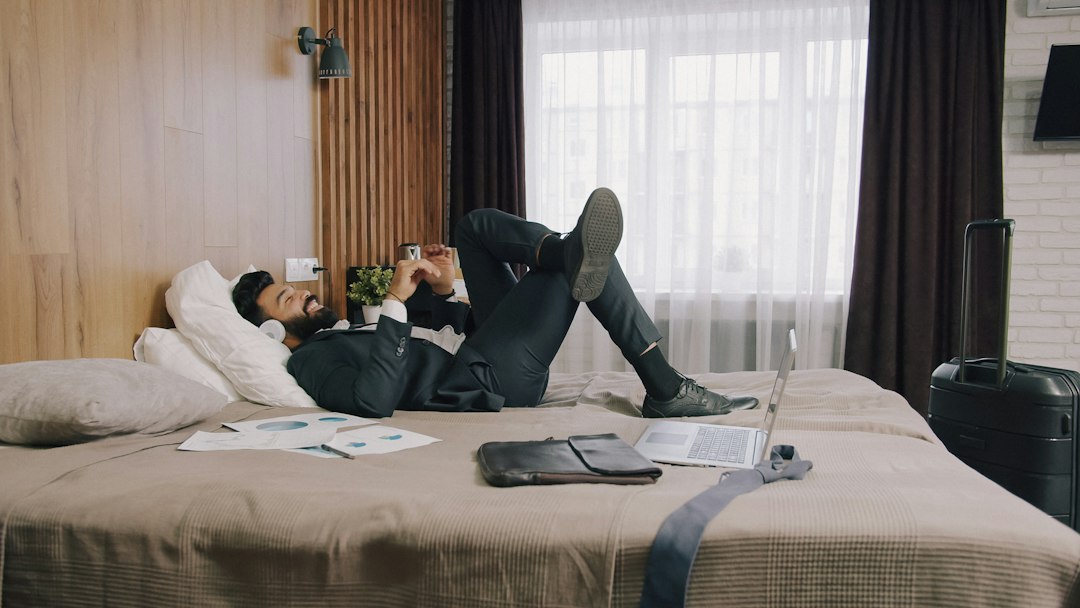
Plan demanding activities with your energy level in mind. If you arrive after an overnight flight, avoid scheduling a full day of strenuous sightseeing immediately. Drink fluids regularly and eat balanced meals at local times. Avoid using alcohol as a sleep aid; it can disrupt sleep quality. If you drive while very sleepy, stop and rest safely. Drowsy driving can be dangerous even when you have reached your destination.
Caffeine, meals and sleep aids
Caffeine can temporarily improve alertness, but taking it late in the local day may delay sleep. Be mindful of coffee, tea, energy drinks and some medicines that contain stimulants. Heavy meals close to bedtime can disturb sleep for some people, while going to bed hungry can also be uncomfortable. A light meal at a regular local time may help establish routine.
Do not start sleeping tablets or combine sedating medicines with alcohol to force sleep. These medicines can cause next-day drowsiness, confusion, falls or interactions with other treatments. Melatonin timing matters and it is not suitable for everyone. Ask a pharmacist or clinician before using sleep products, especially for children, pregnancy, older adults or people taking regular medicines. If insomnia continues well after the travel adjustment period, seek advice rather than repeatedly self-medicating.
Hotel room habits that support better sleep
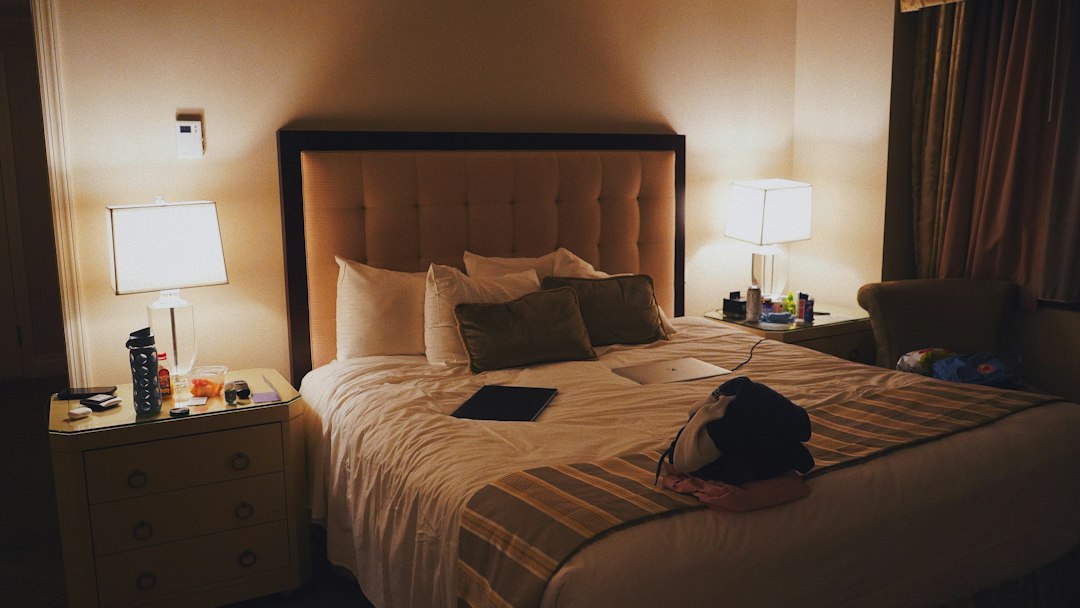
Keep the room dark, quiet and comfortably cool. Use curtains to block bright outdoor light and reduce screen brightness in the hour before bed. If noise is a problem, consider safe earplugs or a white-noise option. Keep the room routine simple: wash, prepare clothes for the next day, read something calming and go to bed at a consistent local time. Avoid checking the clock repeatedly if you wake during the night.
If you are staying in a hotel, ask reception about practical issues such as noise, room temperature or a room change if needed. Avoid leaving air conditioning extremely cold if it makes your throat or nose uncomfortable. If you develop a sore throat or cough while travelling, our article on sore throat at night in Dubai explains when symptoms may need medical attention. Persistent symptoms should not be attributed automatically to dry hotel air.
When travel fatigue may be an illness
Seek medical advice if exhaustion is severe, does not improve, or comes with fever, ongoing diarrhoea, repeated vomiting, painful urination, significant abdominal pain or a new rash. Long flights can also increase the risk of blood clots in some people. New one-sided leg swelling or pain after travel needs prompt assessment, while sudden breathlessness, chest pain, coughing blood or collapse is an emergency.
People with diabetes, heart or lung disease, pregnancy, immune suppression or other long-term conditions may need individual travel advice. If you have missed regular medication during the journey, do not double doses without guidance. Keep medicines in their original packaging where possible and tell a clinician what you have taken. If symptoms suggest infection, review our fever guide and arrange appropriate assessment.
Can a doctor visit your Dubai hotel?
If you feel unwell and are stable, a hotel consultation may be convenient when leaving the room is difficult. A clinician can review symptoms and advise whether they appear consistent with travel fatigue or whether further assessment is needed. A hotel visit is not appropriate for chest pain, severe breathlessness, collapse, signs of stroke or another emergency. Call emergency services immediately for life-threatening symptoms.
Dubai On Call Doctor has a doctor at hotel in Dubai service page explaining how to enquire. Share the hotel name, room number, patient age, symptoms and a phone number. Our medical help guide for Dubai hotel guests explains what information to prepare and why you should confirm availability and charges before a booking.
Residents, business travellers and local coverage
Jet lag can affect residents returning from overseas as well as visitors arriving in Dubai for the first time. Business travellers may be tempted to work through severe tiredness, but concentration and reaction time can be affected. If you need a medical review, explain your travel dates, route, sleep pattern, medicines and any symptoms beyond tiredness. A clinician can help decide whether the issue needs routine advice or further investigation.
For residents enquiring about a home consultation, see the doctor at home in Dubai page. The doctor on various areas of Dubai page lists communities where enquiries can be made, including Downtown Dubai, Palm Jumeirah, The Greens and Bluewaters Island. Location coverage must be confirmed for the exact address. Use the contact page for non-emergency enquiries.
Frequently asked questions
How long does jet lag last?
It varies with the number and direction of time zones crossed, sleep debt and individual factors. Many people improve gradually over several days.
Should I sleep as soon as I arrive in Dubai?
Try to align with local time. A short nap may help, but a long late-day sleep can make nighttime adjustment harder.
Does dehydration cause jet lag?
Dehydration does not cause the body-clock shift, but it can add to headache, fatigue and discomfort after travel.
Can I take sleeping pills for jet lag?
Do not self-start sedatives. They can cause side effects and interactions; ask a clinician or pharmacist about safe options.
When should a traveller see a doctor?
Seek advice for persistent or severe symptoms, fever, repeated vomiting, significant pain or new symptoms. Chest pain or sudden breathlessness is an emergency.
Related health guides
For more practical information, explore these related Dubai health guides: Lower Back Pain in Dubai: Everyday Triggers, Safe Relief and When to Get Checked, Red Eye in Dubai: Allergy, Infection or Something More Serious?, Twisted Your Ankle in Dubai? First Aid, Recovery Tips and When You Need an X-ray, Sneezing, Itchy Eyes or a Blocked Nose in Dubai? Allergy Triggers and When to Seek Help, Burning When You Urinate in Dubai: UTI Symptoms, Tests and When to Seek Care, Neck and Shoulder Pain in Dubai: Desk Habits, Muscle Strain and Warning Signs. Each article covers a different concern and should be used for general information only, not as a substitute for individual medical advice.
Medical disclaimer
This article is for general educational purposes and does not provide a diagnosis or individual treatment plan. A clinician must assess your symptoms and medical history. If you experience severe or potentially life-threatening symptoms, contact UAE emergency services immediately rather than waiting for a routine home or hotel visit.
Doctor on call in Dubai
Need a doctor at home or in your hotel?
Call or WhatsApp and a DHA-licensed doctor comes to you, 24/7. Usually within 30–45 minutes.
Who wrote and reviewed this guide
You can verify both licences on the DHA Sheryan register. This guide is general information and does not replace a consultation. In an emergency, call 998.