Quick answer
Red eyes in Dubai are often caused by dust, dry air-conditioned air, allergies or conjunctivitis. Avoid rubbing, stop wearing contact lenses and keep hands clean. Get urgent help for eye pain, reduced vision, light sensitivity, a chemical splash, an injury, or red eye with severe headache.
In this guide
- What does a red eye mean?
- Common causes: allergy, infection and dryness
- Warning signs that need urgent assessment
- What should you do before getting medical advice?
- How to reduce the spread of conjunctivitis
- Children, older adults and contact lens users
- Can a home doctor assess a red eye?
- Getting help across Dubai
- Frequently asked questions
A red or irritated eye can appear suddenly after a dusty outdoor walk, a long day looking at screens, contact lens use or an infection. Some causes are mild, but others can threaten sight if treatment is delayed. The key is not to judge the problem by redness alone. Pain, light sensitivity, blurred vision, injury, contact lens use and discharge all matter. This guide explains common reasons for a red eye in Dubai, what you can safely do while arranging advice and when to seek urgent care. It is general information and cannot replace an eye examination.
What does a red eye mean?
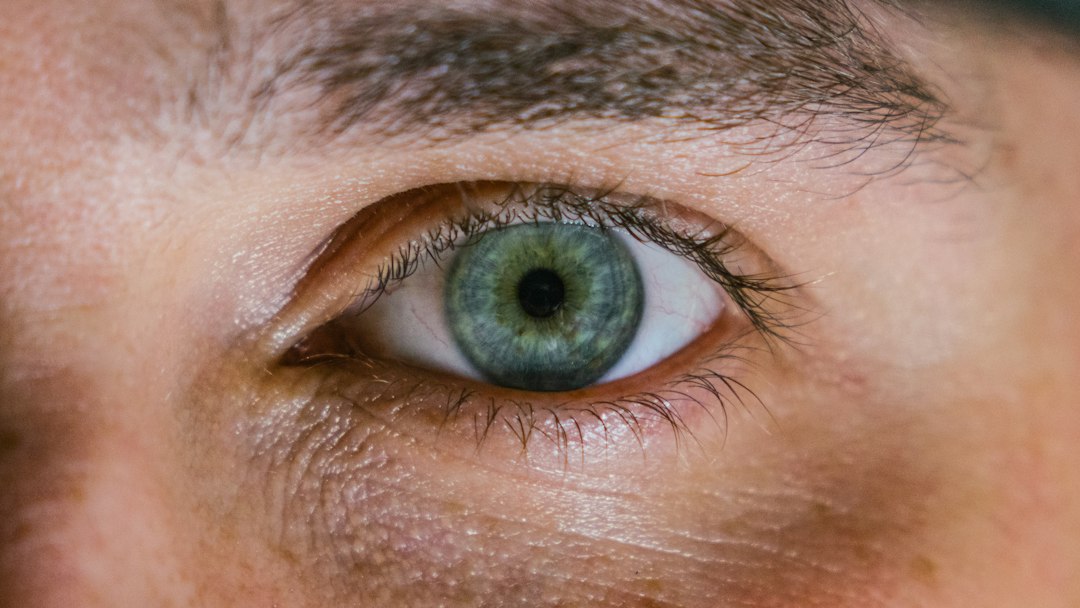
The white part of the eye may look pink or bright red when small blood vessels become more visible or irritated. Redness can affect one eye or both. It may come with itching, watering, discharge, a gritty feeling, swelling or pain. A mild irritation can settle after the trigger is removed, while infection or inflammation may need treatment. Redness alone cannot tell you whether the cause is allergic, infectious or related to a more serious eye condition.
In Dubai, people may notice irritation after exposure to dust, air conditioning, smoke, swimming pools or cosmetics. These are possible triggers, not proof of the cause. A person who also has a runny nose and sneezing may have allergies, while sticky discharge can occur with conjunctivitis. However, severe pain or changes in vision should never be dismissed as simple irritation. Our guide to skin rashes and allergic reactions may help explain general allergy warning signs, but eye symptoms need their own assessment.
Common causes: allergy, infection and dryness
Allergic conjunctivitis often causes itching, watering and redness in both eyes. It may occur with sneezing or nasal symptoms and can be triggered by dust, pollen, pets or other allergens. Viral conjunctivitis can cause watery discharge and may begin in one eye before affecting the other. Bacterial conjunctivitis may cause thicker discharge or eyelids sticking together, although symptoms overlap and a clinician may need to assess the eye.
Dry eye and irritation can cause burning, a gritty sensation and fluctuating discomfort, especially after screen use or in dry, air-conditioned environments. A small surface scratch, foreign body or contact lens-related problem can also cause redness. Inflammation inside the eye, a corneal infection or acute glaucoma are less common but important causes because they can affect vision. Do not start leftover antibiotic or steroid eye drops without a clinician’s advice.
Warning signs that need urgent assessment
Seek urgent eye or emergency assessment for sudden loss or reduction of vision, severe eye pain, marked sensitivity to light, a chemical splash, penetrating injury or a high-speed object striking the eye. A red eye with severe headache, nausea, vomiting, halos around lights or a fixed or unusual pupil can signal an emergency. Do not wait for a routine home doctor appointment in these situations.
Contact lens wearers should take a painful red eye seriously, particularly if there is blurred vision, light sensitivity or discharge. Contact lens-related corneal infection can progress quickly. Remove the lenses and do not put them back in until an eye professional says it is safe. If a chemical enters the eye, begin rinsing immediately with clean running water or saline and seek emergency advice; do not delay irrigation while looking for special drops.
What should you do before getting medical advice?
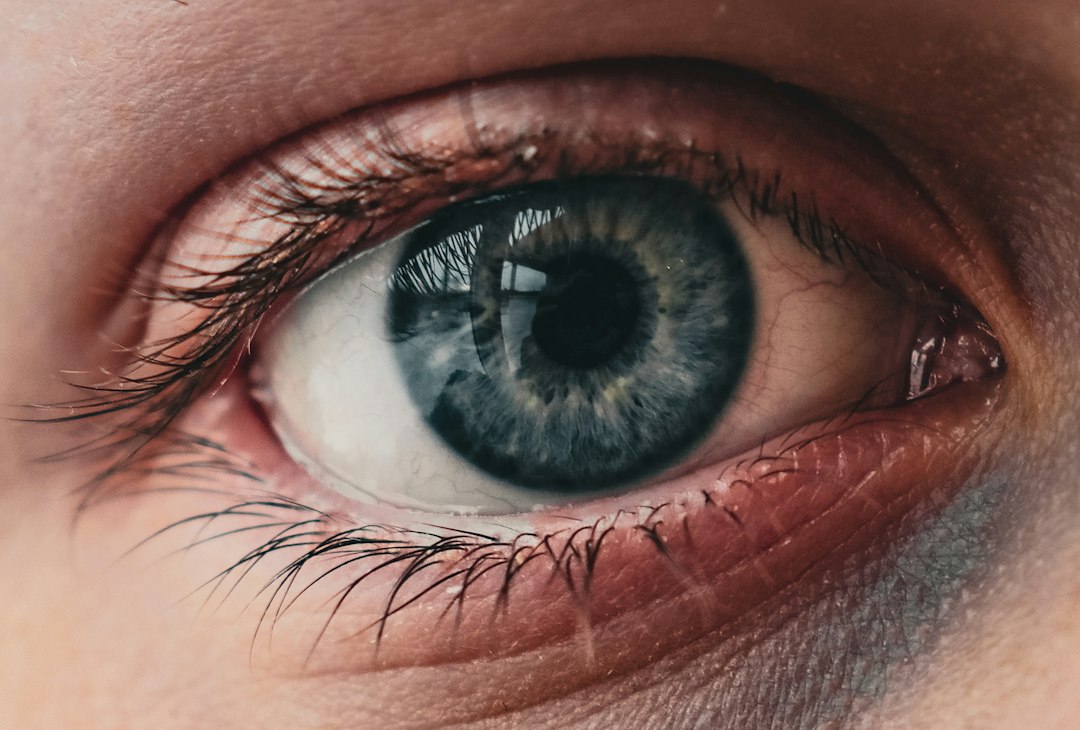
Avoid rubbing the eye, even if it itches. Wash your hands before and after touching the area, do not share towels or eye cosmetics and stop using contact lenses while the eye is red or uncomfortable. If there is mild irritation, a clean cool compress over closed eyelids may feel soothing. Use a fresh cloth for each eye and do not press on the eyeball. Avoid home remedies such as rose water, tea bags or non-sterile liquids.
If you suspect a particle has entered the eye, do not use tweezers, cotton buds or fingers to remove it. Rinse gently with clean water or sterile saline if appropriate. Persistent foreign-body sensation, pain or blurred vision needs examination. Keep the product packaging if the irritation began after cosmetics, cleaning products or another chemical. A clinician will need to know what entered the eye and when.
How to reduce the spread of conjunctivitis
Some forms of conjunctivitis are contagious. Wash hands regularly, avoid touching the eyes and do not share towels, pillowcases, makeup, eye drops or contact lens equipment. Clean frequently touched surfaces and follow advice from a healthcare professional about school, work or travel. Do not use another person’s prescription drops. If several family members develop red eyes, mention the timing and sequence of symptoms during the consultation.
Allergic conjunctivitis is not contagious, but it can look similar to an infection. It is useful to note whether itching is the main symptom, whether both eyes are affected and whether sneezing or nasal allergy symptoms are present. A clinician can help distinguish likely causes and recommend suitable treatment. If symptoms are recurrent, persistent or affect only one eye, arrange an assessment rather than repeatedly treating the problem yourself.
Children, older adults and contact lens users
Children may rub their eyes and struggle to describe pain or blurred vision. Ask whether the eye hurts, whether light feels uncomfortable and whether they can see normally, but do not rely only on their answers if they appear unwell. A child with eye injury, severe pain, swelling around the eye, fever with a swollen eyelid or changes in vision needs prompt assessment. Babies with significant eye redness or discharge should be assessed by a clinician.
Older adults and people with diabetes, immune suppression or previous eye surgery may need a lower threshold for assessment. Contact lens users should not assume redness is caused by dryness. If a person wears lenses and has pain, light sensitivity or reduced vision, seek urgent eye care. A home doctor may help assess general symptoms, but detailed eye examination or specialist treatment may require an eye clinic or hospital.
Can a home doctor assess a red eye?
A home consultation may be suitable for some stable, non-emergency symptoms when the patient cannot easily travel. A clinician can take a history, review symptoms and examine what is possible in the home setting. However, not every home visit includes specialist eye equipment, slit-lamp examination or pressure measurement. If the symptoms suggest a corneal problem, glaucoma, injury or vision-threatening condition, the patient may need direct eye-care or hospital assessment.
If you are considering a doctor at home in Dubai, explain whether there is pain, light sensitivity, blurred vision, contact lens use or an injury before booking. The team can discuss whether a home assessment is appropriate. People staying in a hotel can enquire about a doctor visit at their hotel, but urgent eye symptoms should be directed to emergency or specialist care without delay.
Getting help across Dubai
When you call, describe when redness began, whether one or both eyes are affected, the level of pain, any discharge, vision changes, contact lens use and possible exposure to chemicals or dust. Mention any eye surgery, glaucoma, diabetes or immune condition. If you have used eye drops, keep the bottle nearby so the clinician can identify the ingredients. Do not delay urgent care to collect these details if vision is affected or pain is severe.
For a non-emergency enquiry, you can check the Dubai areas where doctor visits may be arranged. Location pages include communities such as Palm Jumeirah, Jumeirah Lake Towers and Bluewaters Island; actual availability must be confirmed for your address. For hotel guests, our Dubai hotel medical-help guide explains what details to prepare. Contact the team through the contact page.
Frequently asked questions
Is every red eye contagious?
No. Allergy and dryness are not contagious, while some viral and bacterial infections can spread.
Can I use leftover antibiotic eye drops?
No. The cause may not be bacterial, and the wrong drops can delay proper care. Ask a clinician.
When is a red eye an emergency?
Sudden vision loss, severe pain, light sensitivity, chemical exposure, injury or a painful red eye in a contact lens wearer needs urgent assessment.
Can I wear contact lenses with a red eye?
Stop wearing them until symptoms have been assessed and an eye professional says it is safe to restart.
Can a doctor at home treat eye infection?
A home clinician may assess some symptoms, but specialist examination or hospital care may be needed depending on findings.
Related health guides
For more practical information, explore these related Dubai health guides: Lower Back Pain in Dubai: Everyday Triggers, Safe Relief and When to Get Checked, Twisted Your Ankle in Dubai? First Aid, Recovery Tips and When You Need an X-ray, Sneezing, Itchy Eyes or a Blocked Nose in Dubai? Allergy Triggers and When to Seek Help, Burning When You Urinate in Dubai: UTI Symptoms, Tests and When to Seek Care, Neck and Shoulder Pain in Dubai: Desk Habits, Muscle Strain and Warning Signs, Arrived in Dubai but Cannot Sleep? Jet Lag, Travel Fatigue and When to Seek Medical Advice. Each article covers a different concern and should be used for general information only, not as a substitute for individual medical advice.
Medical disclaimer
This article is for general educational purposes and does not provide a diagnosis or individual treatment plan. A clinician must assess your symptoms and medical history. If you experience severe or potentially life-threatening symptoms, contact UAE emergency services immediately rather than waiting for a routine home or hotel visit.
Doctor on call in Dubai
Need a doctor at home or in your hotel?
Call or WhatsApp and a DHA-licensed doctor comes to you, 24/7. Usually within 30–45 minutes.
Who wrote and reviewed this guide
You can verify both licences on the DHA Sheryan register. This guide is general information and does not replace a consultation. In an emergency, call 998.