Quick answer
Ear pain in Dubai is often caused by swimmer’s ear, a middle ear infection, a blocked ear after flying, or earwax. Keep the ear dry and do not use cotton buds inside it. See a doctor for severe pain, discharge, fever, hearing loss or swelling behind the ear.
In this guide
- Why might your ear hurt?
- What can you do for mild ear pain?
- When should you seek medical care for earache?
- Ear pain in children: what parents should watch for
- Can you arrange a doctor visit at home in Dubai?
- What information should you share with the doctor?
- Frequently asked questions
- Take ear pain seriously, especially if it changes quickly
Ear pain can make it difficult to sleep, concentrate, or enjoy a holiday in Dubai. Sometimes it starts as a dull ache after a swim or a cold; other times, the pain appears suddenly and feels sharp or pressurised. The cause is not always obvious from the pain alone, which is why persistent or severe symptoms deserve proper assessment.
This guide explains common reasons for earache, what you can safely do while arranging care, and the warning signs that should not be ignored. It is general health information, not a diagnosis. The right treatment depends on the cause and an examination of the ear.

Why might your ear hurt?
Earache can come from the ear itself or from nearby areas such as the throat, teeth, or jaw. A clinician may need to look inside the ear to distinguish between these causes.
1. Ear infection
An infection of the middle ear can develop during or after a cold, while an infection of the outer ear may occur after swimming or when the ear canal becomes irritated. Pain, a blocked feeling, discharge, or changes in hearing can occur. Not every earache is bacterial, so antibiotics are not automatically needed.
2. Pressure after a cold or flight
Congestion can affect the Eustachian tube, which helps equalise pressure between the middle ear and the back of the nose. You may notice popping, muffled hearing, or pressure during take-off and landing. If the pain is intense, hearing suddenly changes, or symptoms do not settle, seek medical advice.
3. Water or irritation in the ear canal
Swimming, scratching the ear, or using cotton buds can irritate the delicate skin in the canal. Avoid putting objects into the ear to remove wax or water. Persistent pain, swelling, or discharge should be checked.
4. Wax build-up
Earwax can sometimes cause a blocked sensation, reduced hearing, ringing, or discomfort. Do not try to dig it out with cotton buds, hairpins, or other objects. Ask a healthcare professional about safe options, especially if you have ear tubes, a perforated eardrum, previous ear surgery, or discharge.
5. Throat, dental, or jaw problems
Pain from a sore throat, dental infection, or jaw joint can sometimes feel as though it is coming from the ear. If ear pain occurs with toothache, pain when swallowing, or jaw discomfort, mention those symptoms during your assessment. Our guide to sore throat at night in Dubai explains when throat symptoms also need medical attention.
What can you do for mild ear pain?
If symptoms are mild and there are no warning signs, a few simple measures may help you stay comfortable while you monitor the situation:
- Keep the ear dry. Avoid swimming and try not to let water enter the ear while showering.
- Use a warm compress. Hold a comfortably warm—not hot—cloth against the outside of the ear for short periods.
- Consider a suitable pain reliever. If you normally can take an over-the-counter pain medicine, follow the package instructions and check with a pharmacist or clinician if you are pregnant, have a long-term condition, take other medicines, or are choosing medicine for a child.
- Rest and monitor symptoms. Note when the pain began, whether hearing has changed, and whether there is fever, discharge, dizziness, or recent swimming or flying.
- Avoid inserting anything into the ear. Do not use cotton buds, ear candles, oils, or leftover ear drops unless a qualified professional has advised that they are appropriate.
Do not use ear drops if you suspect a ruptured eardrum or have fluid coming from the ear unless a clinician has advised you what to use. Some drops are unsuitable for certain ear conditions.

When should you seek medical care for earache?
Arrange a medical assessment if the pain is severe, keeps returning, lasts more than a day or two, or is accompanied by fever, discharge, or a change in hearing. Seek advice sooner for a young child, someone with diabetes or a weakened immune system, or anyone with a history of ear surgery or eardrum problems.
Get urgent medical help if you notice sudden hearing loss, significant dizziness or vertigo, swelling or redness behind the ear, the ear appearing pushed outward, facial weakness, severe headache, or a person becoming very unwell. Sudden hearing loss should be assessed urgently rather than waiting to see if it clears.
If there has been a head injury, blood or clear fluid coming from the ear, or severe symptoms with confusion or collapse, seek emergency care. Do not wait for a routine home visit when symptoms may be an emergency.
Ear pain in children: what parents should watch for
Children may not be able to explain exactly where it hurts. They might tug at an ear, cry more than usual, struggle to sleep, eat less, or seem unsettled. These signs do not prove an ear infection, so avoid using leftover antibiotics or ear drops without medical advice.
Arrange prompt assessment if a child has significant pain, fever, discharge, reduced hearing, or symptoms that are getting worse. A very young baby with a fever, a child who is unusually drowsy, a stiff neck, severe headache, or difficulty waking needs urgent medical attention.
Can you arrange a doctor visit at home in Dubai?
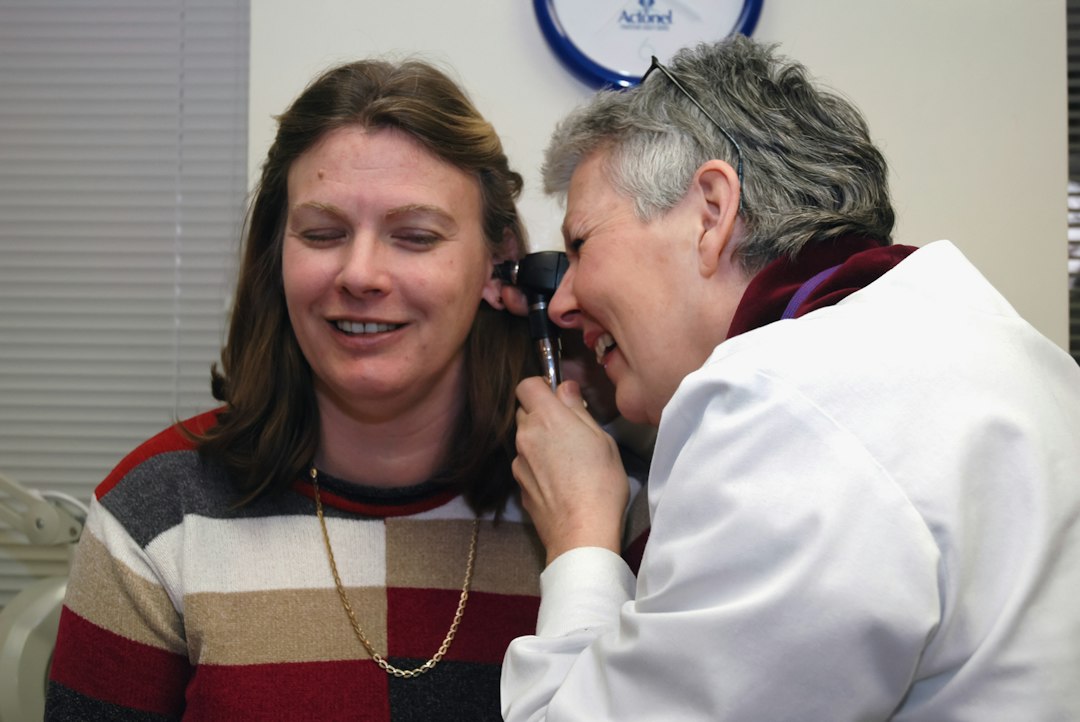
If you are staying at home or in a hotel and are stable enough for a non-emergency assessment, a home visit may be a convenient option. A clinician can ask about the symptoms, examine you as appropriate, and advise whether you need treatment, a pharmacy review, or an in-person specialist assessment. Some ear conditions require equipment or services that are not available during every home visit.
Find out more about arranging a doctor at home in Dubai. Visitors who become unwell in their accommodation can also read about the doctor-at-hotel service. If you are unsure which type of appointment is appropriate, use the contact page to ask about availability and explain the symptoms.
If ear pain is accompanied by fever, you may also find our guide to fever at night in Dubai helpful. When symptoms are severe or deteriorating quickly, seek urgent care rather than waiting for a routine appointment; see our information on urgent doctor care in Dubai.
What information should you share with the doctor?
A few details can help the clinician understand what may be happening. Be ready to explain:
- When the pain started and whether it affects one or both ears
- Whether you have fever, discharge, ringing, dizziness, or reduced hearing
- Whether you recently had a cold, flew on a plane, swam, or used cotton buds
- Any medicines or ear drops you have already used
- Relevant allergies, medical conditions, pregnancy, or previous ear surgery
Do not delay urgent care to collect this information if you have severe symptoms.
Frequently asked questions
Can ear pain go away on its own?
Some mild earaches improve without specific treatment, but the cause cannot always be identified from symptoms alone. Seek medical advice if the pain is severe, persistent, recurrent, or accompanied by fever, discharge, or hearing changes.
Should I put oil or water in my ear?
Avoid putting oil, water, or unprescribed drops into a painful ear. This can be unsafe if the eardrum is damaged or there is an infection. Ask a clinician or pharmacist for advice specific to your situation.
Is ear pain after swimming normal?
Water can remain in the ear canal, and swimming may be associated with irritation or an outer-ear infection. Keep the ear dry and do not insert objects into it. Pain, swelling, or discharge needs assessment.
Can a cold cause earache?
Yes. Congestion can affect pressure in the middle ear, and some infections can develop around the same time as a cold. Severe pain, sudden hearing loss, or worsening symptoms should be checked.
Can a doctor at home treat every ear problem?
Not every condition can be fully assessed or treated during a home visit. A clinician can advise on the next step, but some symptoms may require specialist equipment or urgent in-person care.
Take ear pain seriously, especially if it changes quickly
Mild ear discomfort may settle, but severe pain, discharge, fever, dizziness, or hearing changes should not be ignored. Avoid inserting objects or unprescribed drops into the ear, and seek a professional assessment when symptoms persist or concern you. For an emergency or sudden hearing loss, seek urgent care instead of waiting for a routine appointment.
This article is for general educational purposes only and does not replace an examination or personalised medical advice.
Doctor on call in Dubai
Need a doctor at home or in your hotel?
Call or WhatsApp and a DHA-licensed doctor comes to you, 24/7. Usually within 30–45 minutes.
Who wrote and reviewed this guide
You can verify both licences on the DHA Sheryan register. This guide is general information and does not replace a consultation. In an emergency, call 998.